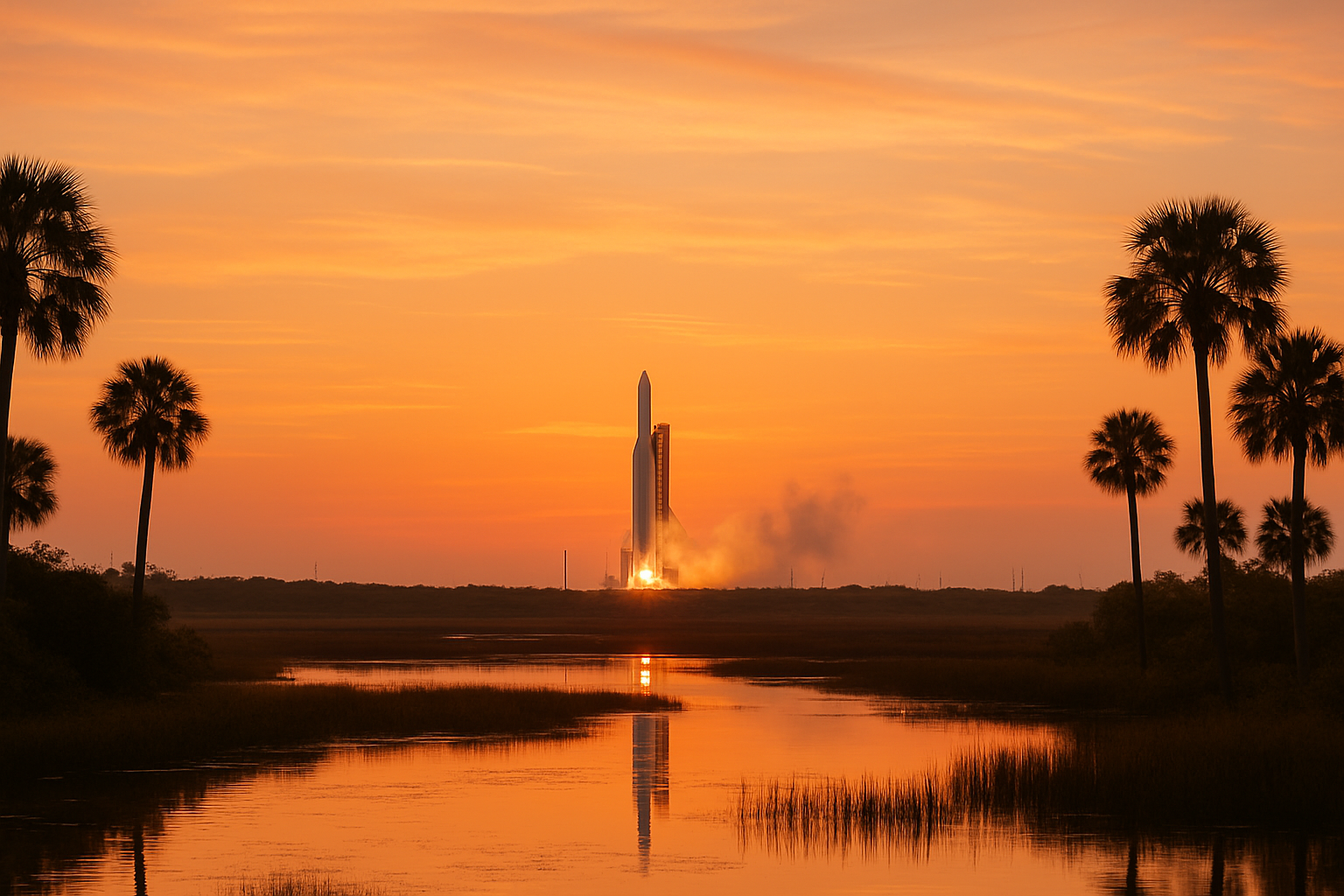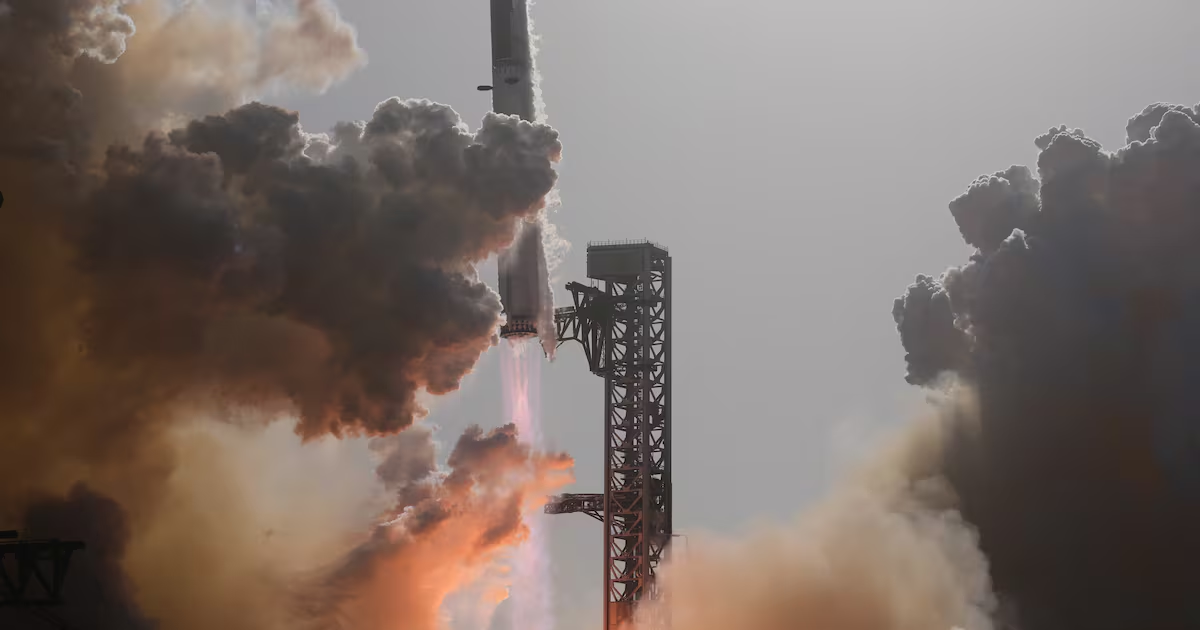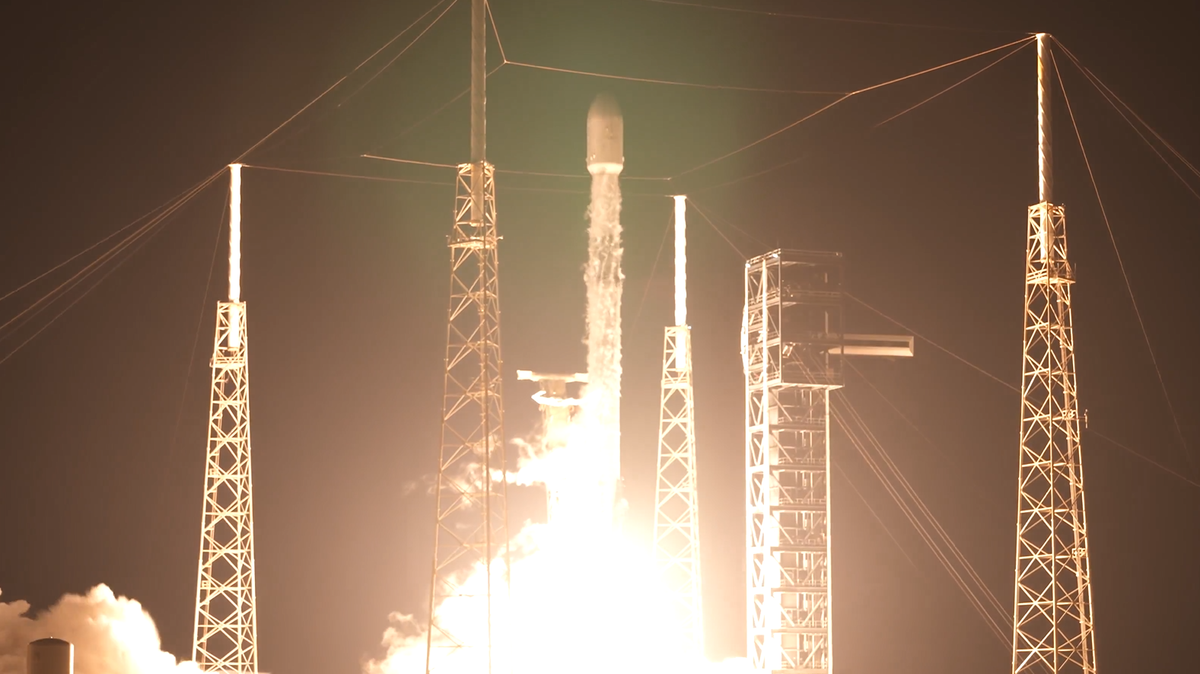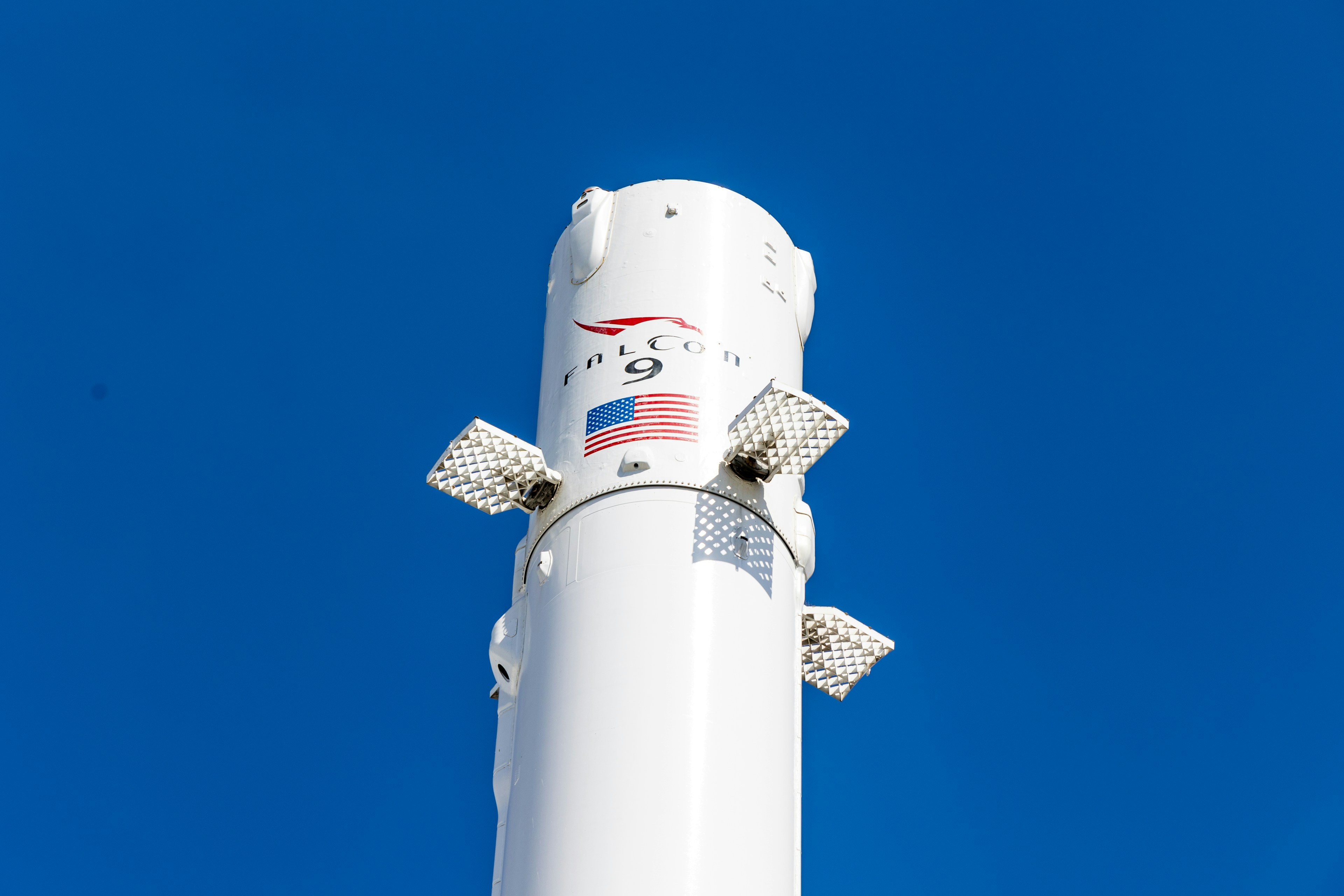
After years of routine Falcon 9 launches that made Cape Canaveral the busiest spaceport on Earth, SpaceX is stepping back from Florida for Starlink missions — at least for now. VP of Launch Kiko Dontchev confirmed that the Starlink 10-49 flight on August 25 was the final planned Starlink launch from Cape Canaveral until Starship begins operating from the Florida spaceport. The shift drops the spaceport's expected monthly launch count from eight or nine missions down to roughly two, covering only customer and government payloads.
The Starlink workload is moving to Vandenberg Space Force Base in California, which will absorb constellation-building flights for the remainder of 2026 and potentially longer. SpaceX's rationale is straightforward: Starship can carry significantly more satellites per flight than Falcon 9, making it the more efficient long-term vehicle for growing the network. In the meantime, Cape Canaveral's infrastructure is being prepared for Starship operations.
Separately, SpaceX and Louisiana Governor Jeff Landry announced a sweeping new launch complex planned for the Gulf coast near Vermilion Parish, dubbed Starbase Louisiana. COO Gwynne Shotwell described it as a self-sustaining facility with propellant production, power generation, deep-water shipping access, vehicle processing, and an on-site airport. Elon Musk stated the site would eventually include over a dozen launch towers capable of supporting more than 30 Starship flights per day, with a first launch target of 2029 and a stated $100 billion investment commitment.
SpaceX projects 3,000 new jobs tied to the Louisiana facility and has outlined environmental commitments including shoreline restoration partnerships in Vermilion Parish, where coastal erosion is an ongoing concern. The company cited open coastline, no range-sharing conflicts, and proximity to methane supply chains as key advantages over its existing sites in Texas and Florida. The Starlink constellation currently stands at 12,854 satellites launched, 11,076 in orbit, and 11,061 operational.
This report is based on coverage from KeepTrack, citing original reporting from Ars Technica, Spaceflight Now, and Teslarati.