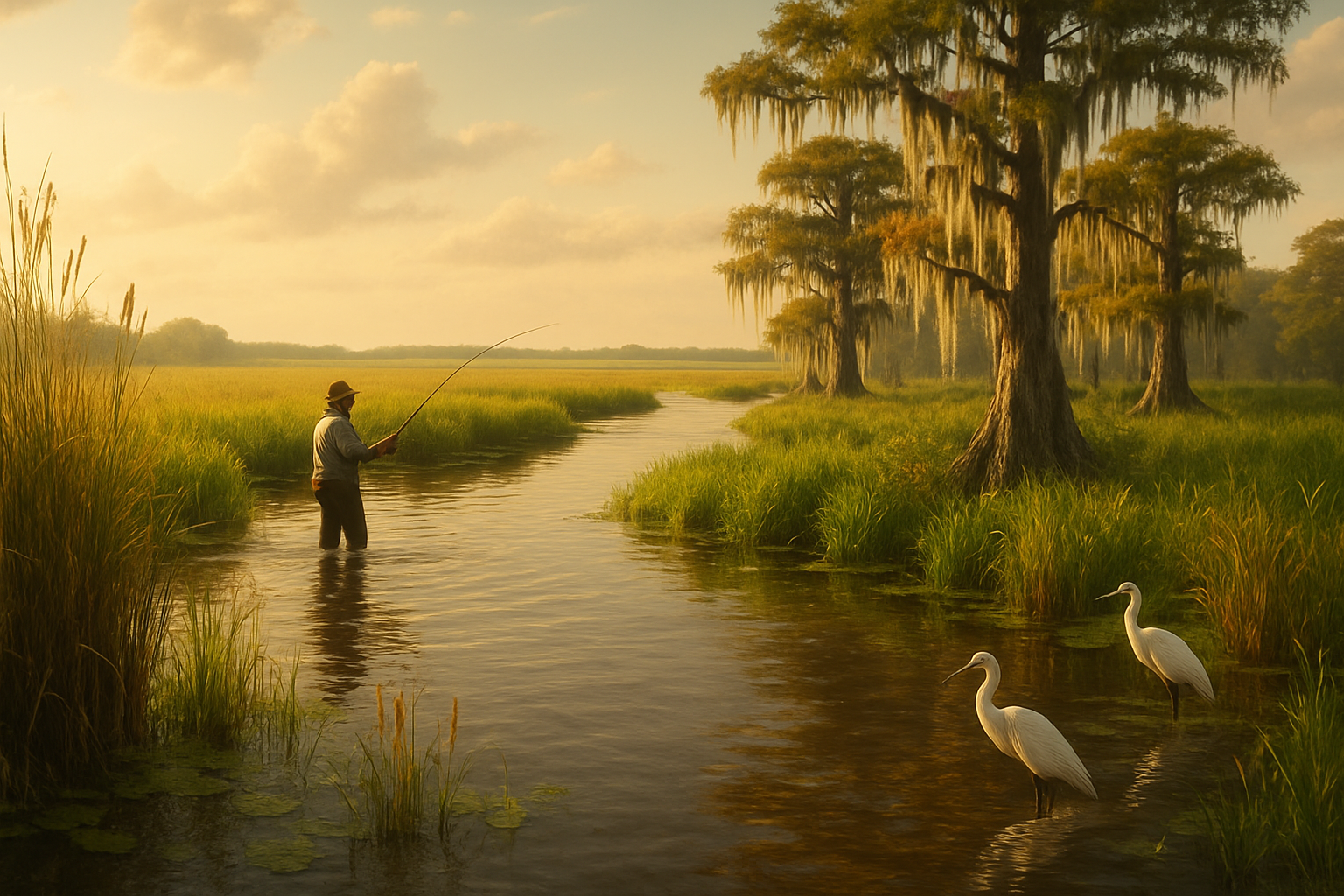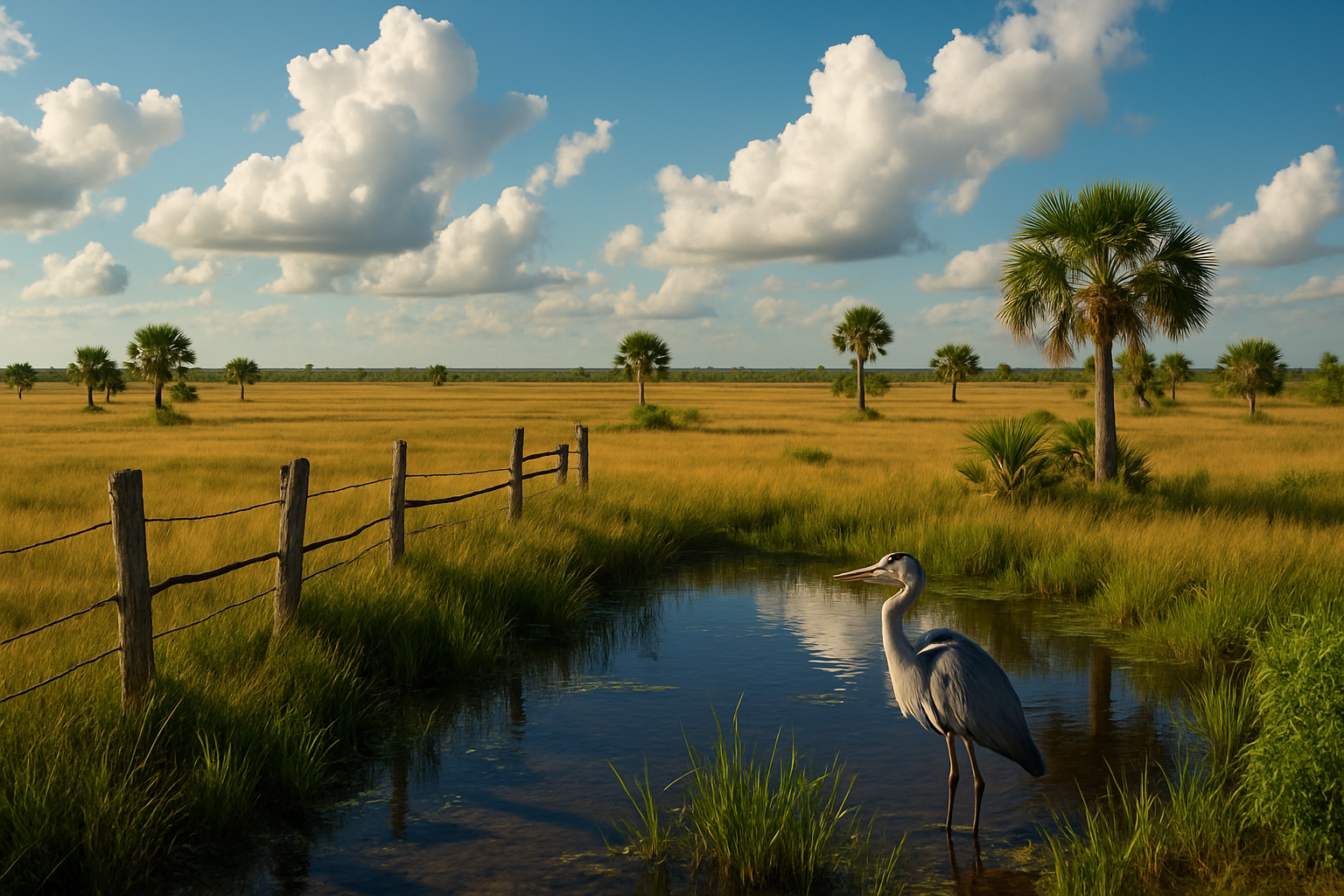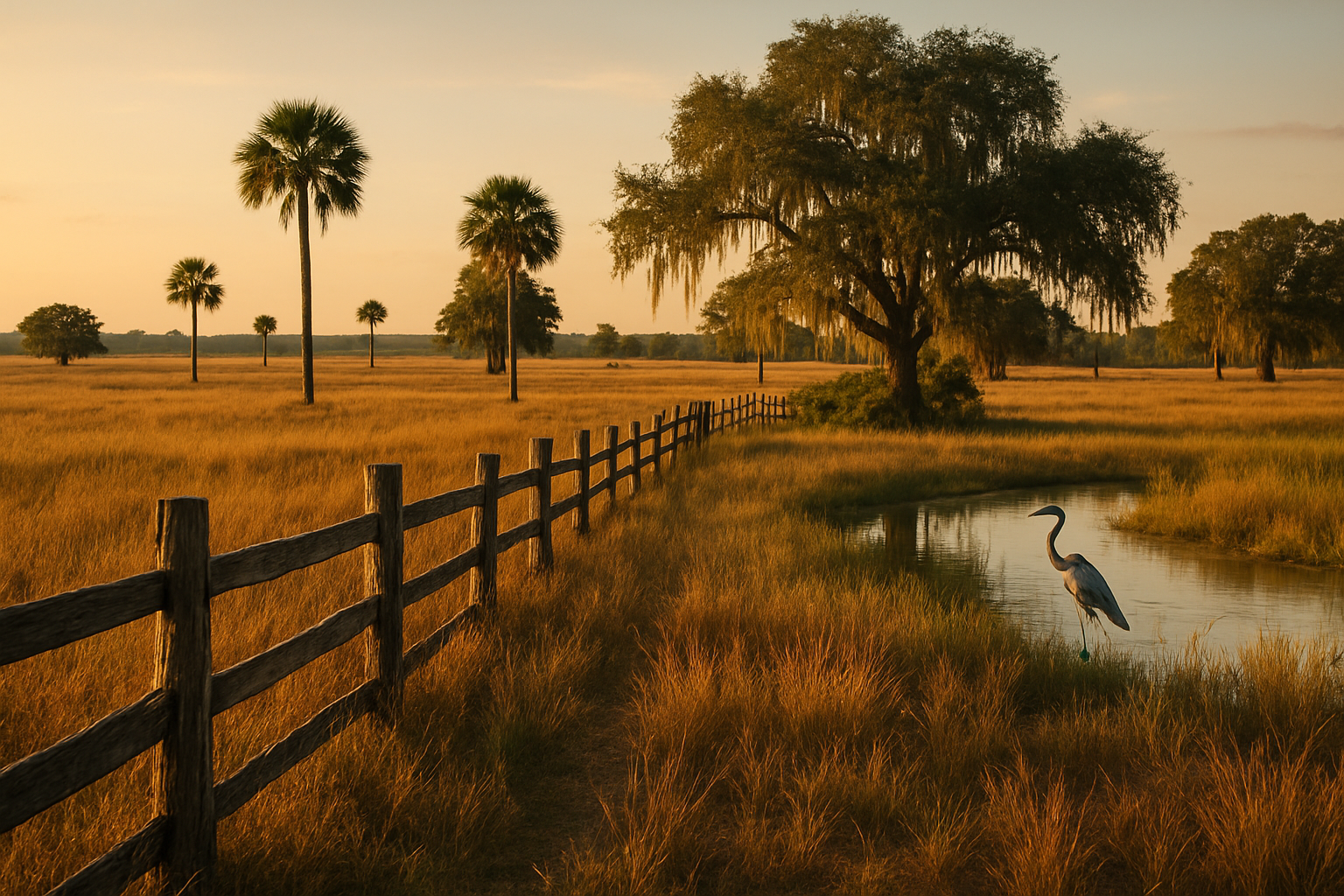
Florida farms, ranches, wetlands, and forests quietly deliver services most people take for granted — filtering water, buffering floods, and sheltering wildlife. A free webinar on September 2 will dig into whether those landowners should be financially compensated for that work, and how so-called Payment for Ecosystem Services (PES) programs could make it happen.
The session, titled Payment for Ecosystem Services: A Conservation Tool for Florida's Future, runs noon to 2:00 p.m. EDT and is held virtually. It opens a three-part series called Planning to Protect the Florida Wildlife Corridor 3.0. Registration is required but free through Zoom.
Four speakers bring a range of perspectives. Dr. Laila Racevskis of The Balmoral Group will survey existing PES programs in Florida, while Parker Hall — a fourth-generation rancher at Hall's Tiger Bay Ranch — will offer a boots-on-the-ground landowner view. Chad Ellis of the Texas Agricultural Land Trust will highlight national grassland carbon sequestration efforts and upcoming work at Archbold's Buck Island Ranch. Dr. Thomas Eason of the Property and Environmental Research Center rounds out the panel with lessons from voluntary, market-based conservation initiatives nationwide.
Topics on the table include water quality credits, flood mitigation funding, and the Florida panther PES initiative, with an eye toward building partnerships among landowners, governments, and private investors. Live attendees can earn continuing education credits through several bodies, including 2 AICP CM credits, 2.5 Florida Bar general CLE credits, and 2 hours for Florida DBPR Landscape Architects. The webinar is organized by a coalition that includes 1000 Friends of Florida, the Florida Wildlife Corridor Foundation, the University of Florida Center for Landscape Conservation Planning, and several other partners.
This story is based on an announcement published by Lake Okeechobee News, written by Logan McDonald of 1000 Friends of Florida.