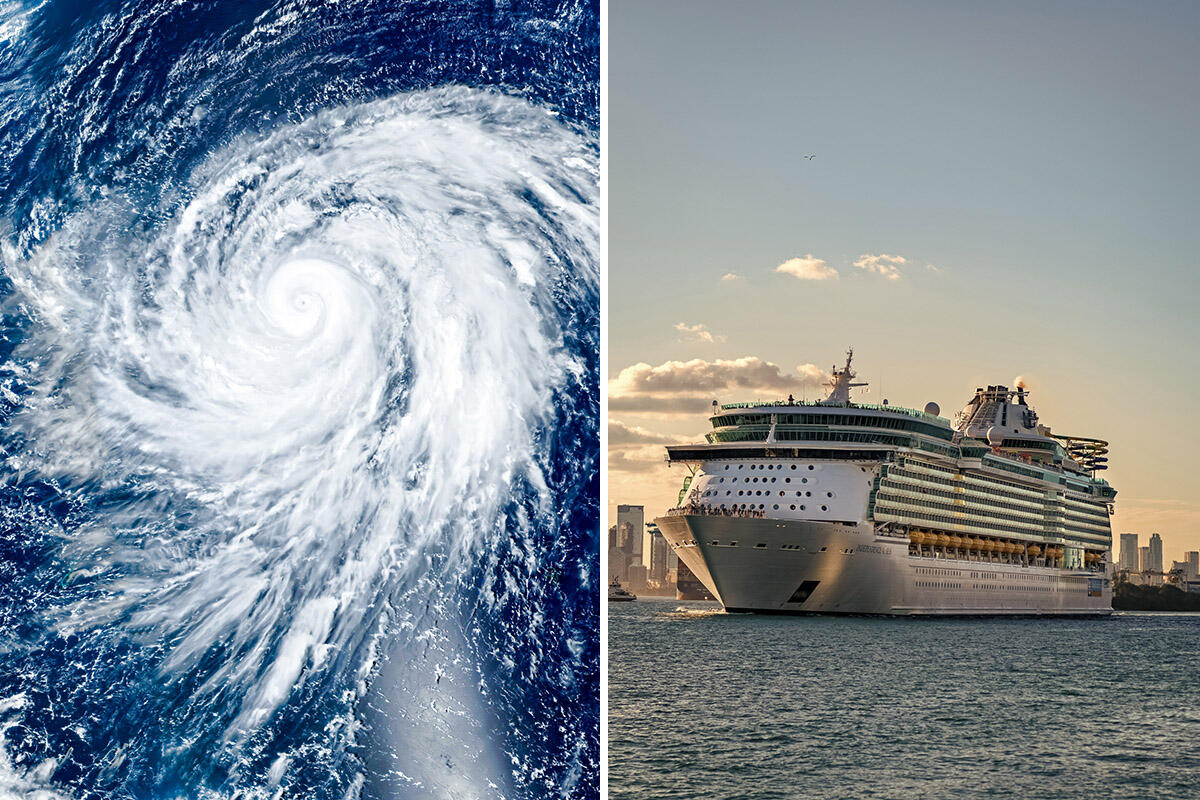
If you're eyeing a fall cruise deal to the Caribbean, Mexico, or the Bahamas, there's a travel insurance rule worth knowing before a storm develops: once a hurricane has been officially named, it becomes a "known event," and any policy you purchase after that point won't cover cancellations or disruptions tied to that storm. It sounds simple, but it catches a lot of travelers off guard.
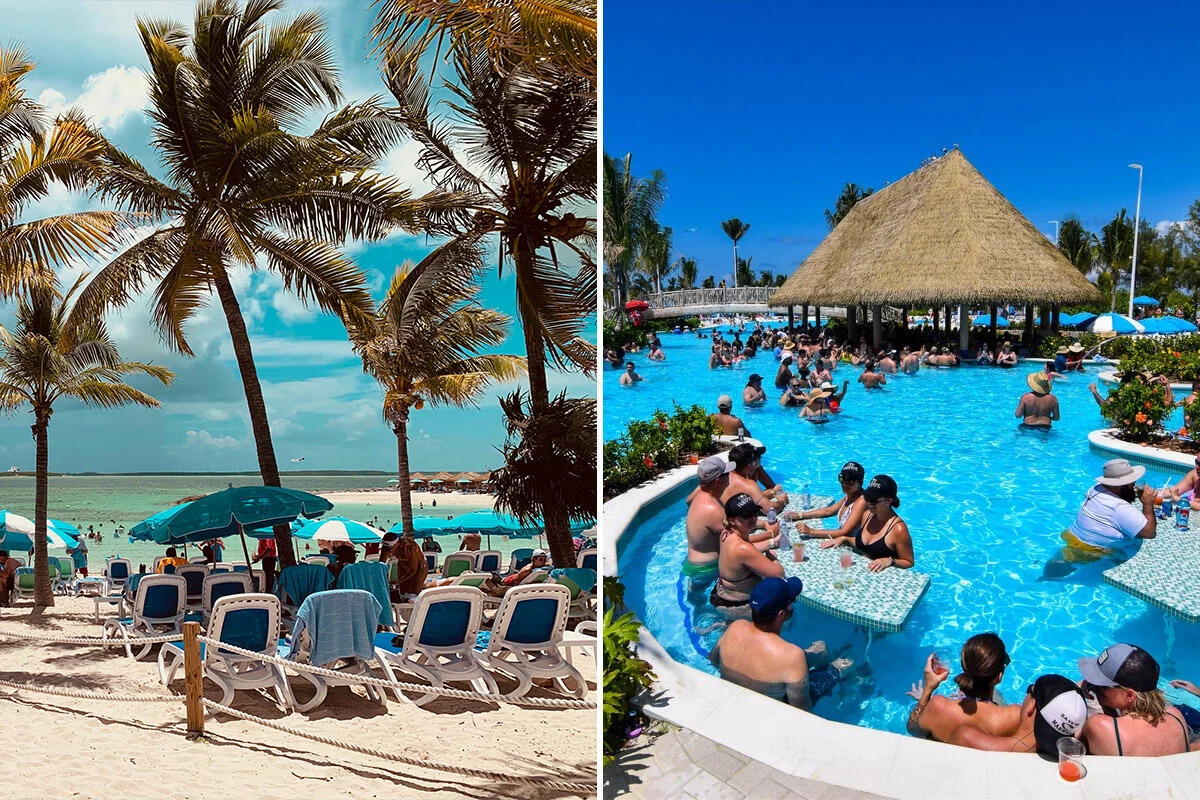
InsureMyTrip CEO Suzanne Morrow put it plainly — the window to act is while skies are still clear. This matters most during the peak of Atlantic hurricane season, which runs from August through October, with activity historically cresting around September 10. Popular cruise destinations like Nassau, Cozumel, and Puerto Plata all sit squarely in the Atlantic hurricane belt, making fall itineraries more vulnerable to weather-related changes.
For those who want extra flexibility, a "Cancel for Any Reason" policy is worth considering. It covers situations standard policies don't — including an approaching storm that hasn't yet received a name. The catch: most insurers require you to add this rider within 14 to 21 days of your initial trip deposit, and reimbursement typically maxes out at 50 to 75 percent of eligible costs. You'd also need to cancel at least 48 hours before departure.
It's also worth knowing what cruise lines themselves will and won't cover. If your itinerary changes because of a storm — say, an Eastern Caribbean sailing becomes a Western Caribbean one — the cruise line isn't contractually obligated to compensate you for that swap. A full refund only kicks in if the cruise line itself cancels the sailing. Miss the ship because of a storm-related flight delay? Without proper insurance, you're likely out of luck.
Trip costs are rising too, making the stakes higher: according to InsureMyTrip data, Millennials spent an average of $5,670 per trip in 2026, up from $4,879 the year before, while Gen X averaged $7,329, compared to $6,368 in 2025. This story was originally reported by Royal Caribbean Blog.