Florida's Wildlife Management Area system is one of birding's best-kept open secrets. Managed by the Florida Fish and Wildlife Conservation Commission (FWC), these lands cover more than six million acres of pine flatwoods, wet prairies, cypress domes, coastal marshes, and hardwood hammocks — habitat types that simply don't exist at scale anywhere else in the eastern United States. Most visiting birders skip straight to the national wildlife refuges or state parks, never realizing that WMAs often hold the same (or rarer) species with a fraction of the foot traffic. The catch: these lands are also active public hunting grounds, and navigating the calendar matters a great deal.
Do Birders Need a Permit?
For most WMAs, the answer is no. According to the FWC, a Management Area Permit or daily use permit is not required for recreational use other than hunting on the majority of WMAs — birders, hikers, and wildlife watchers can simply show up. There are important exceptions, however. A Management Area Permit is required for any recreational visit — not just hunting — at Andrews WMA, Three Lakes WMA, Fred C. Babcock/Cecil M. Webb WMA, Chassahowitzka WMA, J.W. Corbett WMA, Tosohatchee WMA, and portions of Hilochee WMA in Lake County. If your target site is on that list, pick up the annual permit (available through the FWC's GoOutdoorsFlorida.com portal) before you go. Always check the individual WMA's regulations brochure, available free on the FWC's WMA Brochures page, because specific permit requirements and allowed uses differ for each area.
Understanding Hunt Periods and Closures
This is the part most non-hunters miss entirely. Florida's WMA hunting calendar runs roughly from early fall through late winter, with archery seasons typically beginning in late October, general gun season running from roughly December through early February, and small game and special hunts extending into March. During active hunt periods, some WMAs close entirely to all public access — not just to non-hunters. The Southwest Florida Water Management District, for example, publishes specific closure dates for its managed WMAs, where properties shut down entirely for multi-day hunt events ranging from wild hog dog hunts in early October through small game hunts in late February and early March. Dates and affected areas shift every season, so check the relevant land manager's website — either FWC or your regional water management district — before planning any off-season trip.
Even when a WMA is technically open during a hunt period, visiting requires common sense and consideration. The FWC and individual WMAs strongly encourage all visitors present during scheduled hunt days to wear a daylight fluorescent-orange shirt, vest, jacket, and/or hat. It's wise to avoid the first hour of daylight — the most active shooting window — and to stay on established roads and trails. A bright blaze orange vest takes up almost no space in a day pack and is genuinely worth carrying.
On the positive side, Florida's warm winters mean that the stretch from mid-March through summer is almost entirely hunt-free on most WMAs — and that window coincides beautifully with spring warbler migration, shorebird season, and nesting activity for resident specialties. Summer can be brutally hot and buggy, but dedicated listers often find the WMAs virtually deserted and productive.
Four WMAs Worth Putting on Your List
- Three Lakes WMA (Osceola County): A flagship birding destination in the heart of central Florida, Three Lakes protects a significant portion of the Kissimmee Prairie — one of the largest remaining dry prairies in the U.S. — along with longleaf pine flatwoods, cypress domes, and freshwater marshes. The site supports over 180 bird species and is designated as part of the Great Florida Birding and Wildlife Trail. The Prairie Lakes Unit features a 10-mile wildlife drive that passes directly by Red-cockaded Woodpecker nest trees, and the WMA holds what is believed to be the largest population of the critically endangered Florida Grasshopper Sparrow. Bald eagles are present year-round, and the WMA sits within the highest concentration of bald eagle nests in the lower 48 states. Fall warbler migration begins pulling birders in as early as mid-August. Note that a Management Area Permit is required even for non-hunting visits to Three Lakes; pick it up in advance. The Sunset Ranch tract is entirely closed to hunting, making it a lower-stress birding option during the fall-winter hunt season.
- Fred C. Babcock/Cecil M. Webb WMA (Charlotte County): Sprawling across nearly 79,000 acres of wet pine flatwoods southwest of Punta Gorda, Babcock/Webb is a designated Great Florida Birding and Wildlife Trail site and one of southwest Florida's premier birding hotspots. It is home to Red-cockaded Woodpeckers, Northern Bobwhite, Brown-headed Nuthatch, Bachman's Sparrow, and Limpkin, as well as a full suite of wading birds along its canals and marl ponds. Fall and spring bring tremendous diversity in migratory visitors. A Management Area Permit is required for all recreational visits, and a small per-person entry fee is collected at the self-pay station. During hunt seasons, hikers are advised to wear bright clothing and avoid the earliest hours of daylight. Check current FWC regulations for season-specific access details before planning a winter visit.
- Tosohatchee WMA (Orange County): Located along the St. Johns River east of Orlando near Christmas, this roughly 30,000-acre WMA is a designated Important Bird Area and Great Florida Birding and Wildlife Trail site. The area is threaded by 60 miles of hiking trails, and its mix of old-growth floodplain swamp, hydric hammock, and pine flatwoods produces a startling range of species — including Pileated, Red-headed, and Hairy Woodpeckers, Yellow-billed Cuckoo, Crested Caracara, King Rail, and Yellow-crowned Night-Heron. Seasonal warbler migrants move through on both spring and fall trips north and south. A Management Area Permit is required for all visits; the Florida National Scenic Trail passes through the area and remains open to hikers year-round.
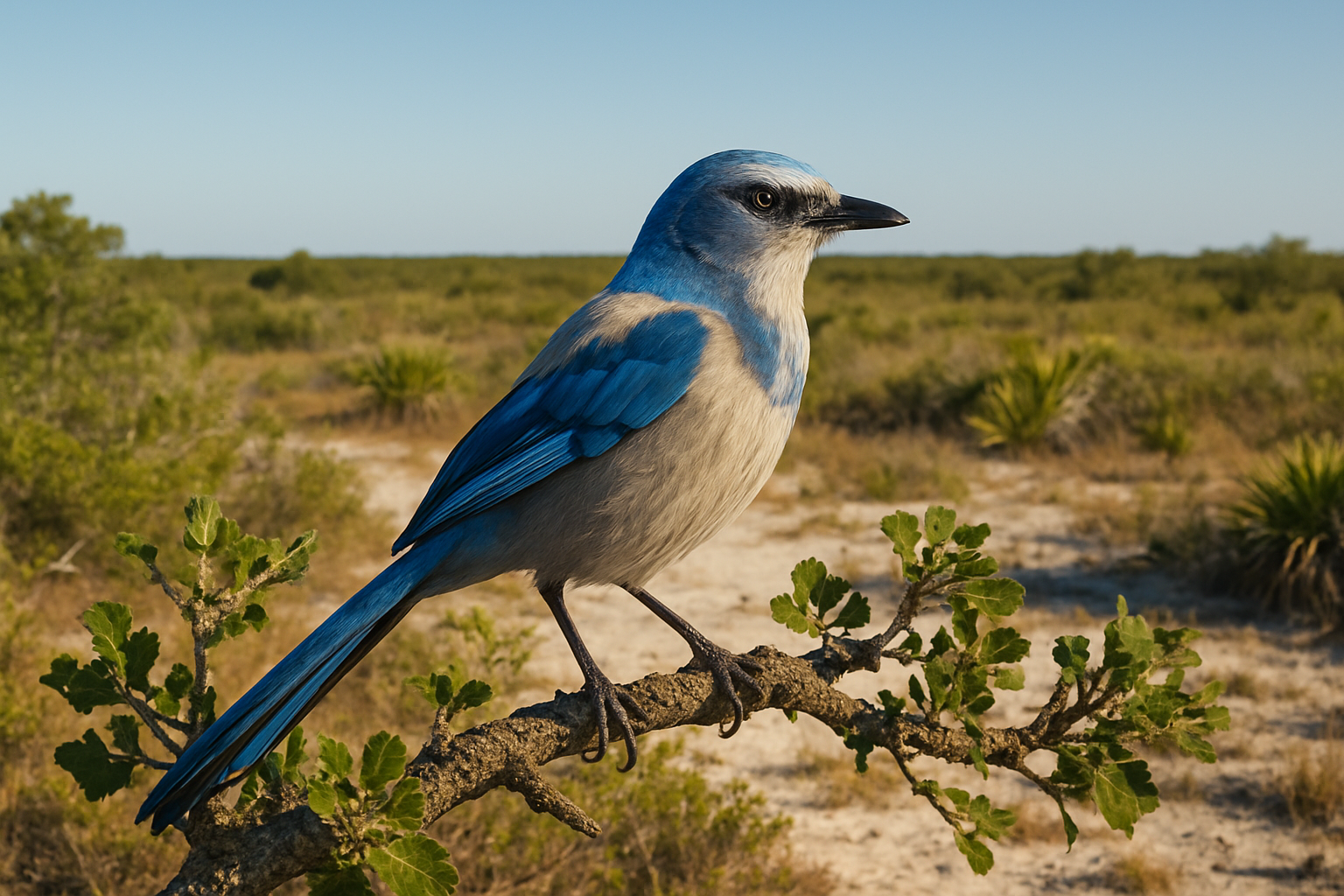
- Fisheating Creek WMA (Glades County): This is one of the wildest and least-visited corners of the state — a free-flowing creek system with extensive floodplain marshes in the heart of the Lake Okeechobee basin. Wading birds including ibis, herons, egrets, Wood Storks, and Roseate Spoonbills are common, as are Crested Caracara, Bald Eagles, Florida Scrub-Jays, and multiple woodpecker species. Warblers pour through in fall and spring migration. A viewing platform along the creek, parking, and restrooms are available at the main trailhead. The 1.5-mile trail to the Fort Center archaeological site passes open pastures ideal for scanning for caracara and raptors. Fisheating Creek is part of the Great Florida Birding and Wildlife Trail and has an active FWC Nature Trackers project where you can log observations and see what others have found recently.
Planning Tools Every WMA Birder Should Bookmark
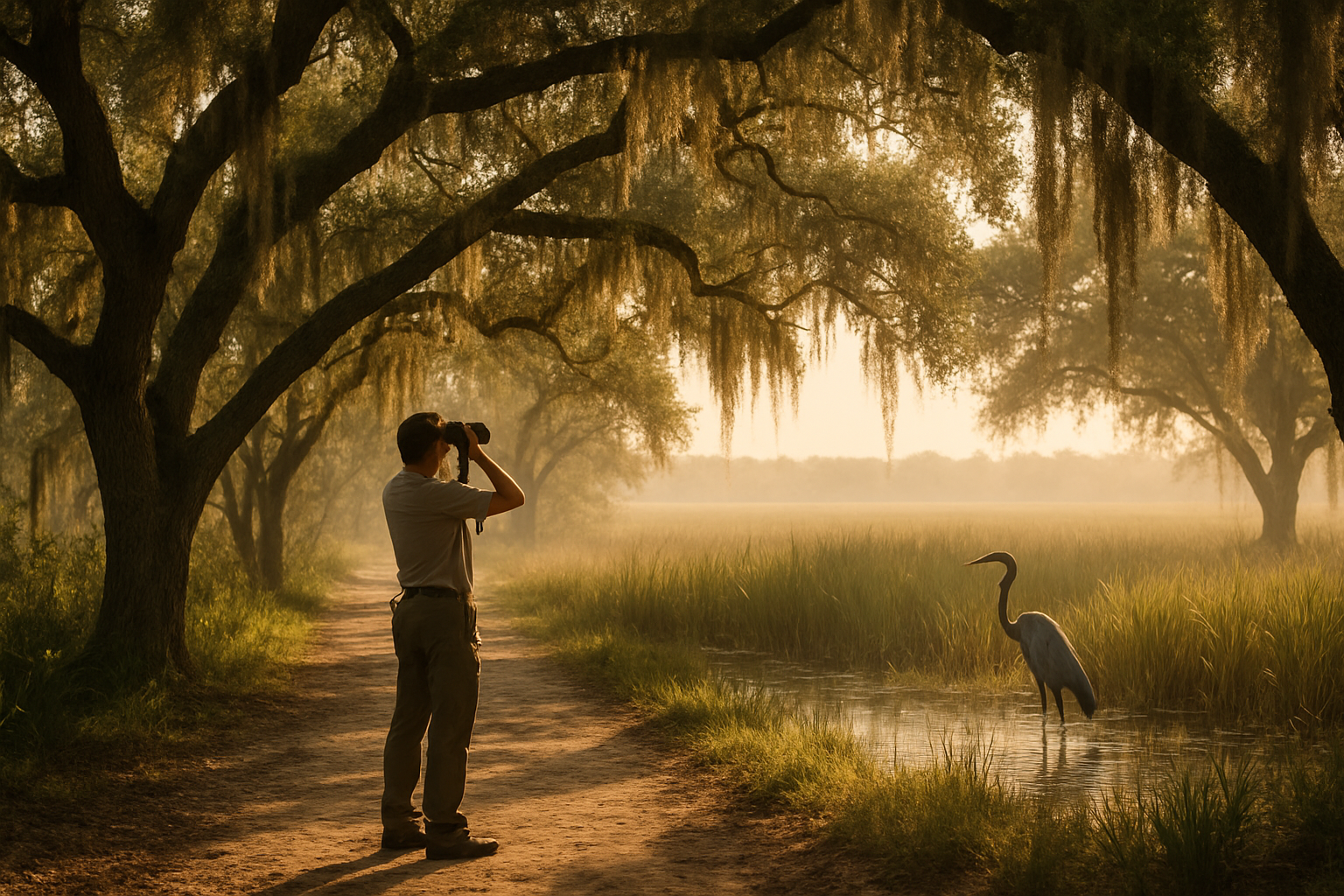
The FWC redesigned its Great Florida Birding and Wildlife Trail website in 2025, available at FloridaBirdingTrail.com. The revamped site connects visitors to over 500 birding and wildlife-watching locations statewide and features an interactive "Find a Site" map that lets you filter by species, amenities, and distance from any Florida address — a genuinely useful trip-planning tool. For hunt schedules and WMA-specific access rules, the WMA Brochures page at MyFWC.com is the authoritative source; brochures are updated seasonally and include hunt dates, allowed uses, and any area-specific closures. A good pair of compact birding binoculars and a downloaded offline map (the FWC recommends the free Avenza Maps app with their official WMA layers) will serve you well on the rutted backroads these areas are known for.
Practical tip: The quietest, most rewarding window for WMA birding tends to be mid-March through late May — hunt seasons have largely ended, migratory birds are moving through or settling in to nest, and the summer heat and mosquitoes haven't yet arrived in full force. Always verify current hunt schedules and access rules on MyFWC.com before each trip, since dates shift annually and conditions can change quickly.